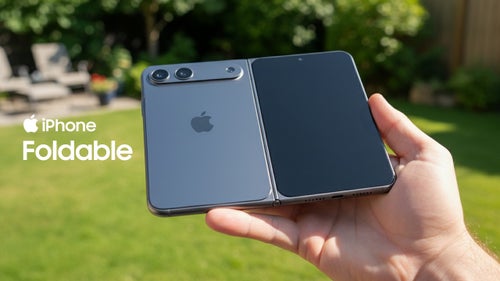
Apple’s long-rumored Foldable iPhone Ultra isn’t just another product launch—it’s a make-or-break moment in the evolution of mobile design. But even with Apple’s engineering pedigree, early reports and industry trends suggest the device could face serious hurdles on day one. From hardware fragility to app compatibility, the Foldable iPhone Ultra might not deliver the seamless experience users expect.
This isn’t just speculation. Samsung, Motorola, and Google have all stumbled through early foldable launches. Apple’s reputation for polish makes missteps even riskier. A flawed debut could delay mainstream adoption, hurt consumer trust, and hand competitors an opening.
Let’s break down the most likely problems the Foldable iPhone Ultra could face at launch—and why they matter.
Supply Chain Constraints May Limit Availability
Even if Apple finalizes the Foldable iPhone Ultra’s design, manufacturing at scale is a different challenge. Foldable displays require ultra-thin glass, precision hinges, and specialized adhesives—all harder to source and assemble than traditional components.
Samsung, the leader in foldables, reportedly struggled for months to stabilize yields on the Galaxy Z Fold series. Apple, entering later, may face even tighter margins. Suppliers like LG Display and TSMC are already stretched thin supporting existing iPhone and iPad lines.
A real-world example: When the iPhone 4S launched, demand outpaced supply for weeks due to antenna component shortages. For the Foldable iPhone Ultra, the problem could be worse. Limited availability on launch day wouldn’t just frustrate customers—it could fuel black-market markups and negative press.
Early adopters may face: - Weeks-long backorders - Regional rollouts delaying global access - Higher initial pricing due to low yields
Apple’s just-in-time inventory model could be pushed to its limits. If production lags, the company may be forced to prioritize certain markets—likely the U.S., Japan, and parts of Europe—while others wait.
Durability Concerns Could Undermine Consumer Confidence
Foldable phones live and die by durability. The Foldable iPhone Ultra will almost certainly use a flexible OLED panel, likely with an under-display camera and a titanium hinge mechanism. But no design is immune to stress.
Early prototypes of foldable devices have shown issues with: - Crease formation after 10,000 folds - Dust and debris entering the hinge - Screen flickering or delamination
Apple’s tight integration of hardware and software gives it an edge, but real-world usage varies wildly. A user tossing the phone into a crowded bag or leaving it open in direct sunlight could trigger premature wear.
Consider the Galaxy Z Fold 3: despite IPX8 water resistance, Samsung explicitly warned against placing the device near sand or fine particles. Apple may issue similar disclaimers, but marketing a “premium” device with usage caveats contradicts the iPhone’s legacy of resilience.
Moreover, screen protectors on foldables are non-negotiable—and user-replaceable ones are nearly impossible. Apple may offer in-store replacement services, but that adds cost and inconvenience. If early reviews highlight cracked hinges or screen failures, the narrative could shift fast.
App Optimization Gaps May Hurt the User Experience
Apple’s ecosystem is its strongest asset, but even iOS isn’t ready for foldables. The Foldable iPhone Ultra will likely run iPadOS-level interface scaling, but most iPhone apps aren’t designed for large, asymmetrical screens.
When Samsung launched its first foldables, major apps like Instagram and Twitter displayed awkward letterboxing or failed to adapt to multi-window modes. Apple’s App Store curation helps, but developers still need time to update their layouts.
Potential issues include: - Apps stretching awkwardly across the fold - Misaligned touch inputs near the crease - Poor split-screen performance in third-party software
Apple may require developers to submit fold-optimized versions before launch, but enforcement is tricky. Smaller studios or niche apps may lag behind, creating a fragmented experience.
A practical example: a user opening a PDF in a note-taking app might find toolbars cut off or gestures unresponsive on the inner display. This isn’t just inconvenient—it erodes trust in the device’s core functionality.
Apple’s solution? Likely a combination of forced app scaling and developer incentives. But if the App Store isn’t fully optimized at launch, users will notice.
Battery Life Could Disappoint Despite Larger Design
Foldables have more internal space, but that doesn’t guarantee better battery performance. The Foldable iPhone Ultra’s dual-battery system (common in foldables) introduces complexity: power distribution, thermal management, and charge balancing all affect longevity.
Samsung’s Galaxy Z Fold 5, despite a 4,400mAh combined capacity, often lasts less than a full day under heavy use. Why? The larger display, dual circuits, and 120Hz refresh rate drain power faster than expected.
Apple’s efficiency-focused chips (likely an A19 or M-series derivative) help, but the Foldable iPhone Ultra may still fall short. Users expect all-day battery from an iPhone—anything less feels like a downgrade.
Common mistakes in early foldable design: - Overestimating screen-on time due to multitasking - Ignoring background app activity in split-screen mode - Poor low-power mode integration
If Apple pushes aggressive multitasking features—like running four apps simultaneously—battery strain will spike. And unlike replaceable-battery phones, foldables rely on sealed units. A degraded battery means a costly service visit.
Consumers may end up charging midday, undermining the device’s portability.
Pricing Could Exclude Mainstream Buyers
There’s little doubt: the Foldable iPhone Ultra will be expensive. Estimates range from $1,999 to $2,499, putting it in luxury device territory.
For context, the iPhone 15 Pro Max starts at $1,199. A near-doubling of price demands near-perfect execution. But early adopters pay a premium for unproven technology—and Apple knows it.
The problem? High pricing increases scrutiny. Any flaw—creased screens, app glitches, short battery life—feels more egregious at $2,300 than $1,200.
Market dynamics also shift: - Carriers may offer limited subsidies - Trade-in values could be lower due to uncertainty - Enterprise adoption may stall without proven ROI
Apple’s audience includes loyalists willing to pay more, but mass appeal requires affordability. If the Foldable iPhone Ultra remains a niche product, the company risks ceding long-term innovation leadership to Samsung or Google.

And unlike software updates, hardware can’t be patched overnight. A poorly received launch price could haunt the product line for years.
Software Glitches May Surface Despite iOS Strength
iOS is known for stability, but new form factors introduce new bugs. The Foldable iPhone Ultra will likely run a modified version of iOS with hinge-aware gestures, dynamic window resizing, and fold-detection logic.
All of that software is untested at scale.
Potential issues: - Misfiring gestures when the device is partially open - Apps failing to resume properly after folding - Camera distortion when using the outer screen with inner lens
Consider the iPad Pro’s stage manager feature—launched with iOS 16, it was widely criticized for being unintuitive and buggy. Apple eventually refined it, but first impressions matter.
If the Foldable iPhone Ultra ships with half-baked multitasking or inconsistent UI behavior, reviewers will pounce. Tech influencers and hands-on YouTubers could amplify minor quirks into major concerns.
Apple typically addresses software issues quickly, but a rocky start could overshadow the hardware’s strengths.
Competition Already Has a Head Start
Samsung has released six generations of Galaxy Z Folds. Motorola’s Razr line has evolved through multiple iterations. Even Google is rumored to be testing Pixel foldables.
These companies have learned from early mistakes: - Samsung now usesArmor Aluminum and improved sealants - Motorola refined the vertical fold for pocketability - Google is testing Tensor-based optimizations for large screens
Apple enters as a latecomer. That means higher expectations—but no grace period. Consumers won’t cut Apple slack for issues Samsung ironed out years ago.
Worse, competitors may undercut Apple on price or features. A Galaxy Z Fold 6 with similar specs at $200 less could sway buyers. Or a new device with a crease-free screen or faster refresh rate.
Apple’s brand loyalty is strong, but not invincible. If the Foldable iPhone Ultra feels like a copycat product with a premium tax, the backlash could be swift.
What Apple Needs to Get Right For the Foldable iPhone Ultra to succeed, Apple must: - Ensure at least 200,000-unit launch stock across key markets - Guarantee a minimum of 200,000 fold cycles without screen failure - Require all top-100 App Store apps to support foldable layouts - Deliver at least 10 hours of screen-on time - Price below $2,200 to remain competitive - Offer a two-year durability warranty covering hinge and display
Anything less risks a launch that’s more cautionary tale than triumph.
The Foldable iPhone Ultra doesn’t need to be perfect—but it can’t afford obvious missteps. Apple’s reputation is built on refinement, not experimentation. If the device ships with unresolved issues, it won’t just be a product failure. It’ll be a signal that even Apple isn’t immune to the growing pains of disruptive tech.
For consumers, the smart move may be to wait. Let the first wave of users uncover the problems. Let Apple release iOS patches and hardware revisions. The Foldable iPhone Ultra has potential—but launch day could be its biggest obstacle.
FAQ
What should you look for in Foldable iPhone Ultra Could Face Launch Day Issues? Focus on relevance, practical value, and how well the solution matches real user intent.
Is Foldable iPhone Ultra Could Face Launch Day Issues suitable for beginners? That depends on the workflow, but a clear step-by-step approach usually makes it easier to start.
How do you compare options around Foldable iPhone Ultra Could Face Launch Day Issues? Compare features, trust signals, limitations, pricing, and ease of implementation.
What mistakes should you avoid? Avoid generic choices, weak validation, and decisions based only on marketing claims.
What is the next best step? Shortlist the most relevant options, validate them quickly, and refine from real-world results.