S&P 500 futures are trading slightly lower this morning as renewed tensions in the Middle East overshadow investor sentiment. With Iran peace negotiations at a standstill and oil prices climbing on supply concerns, markets are reacting to fresh uncertainty just as traders assess the week ahead.
This isn’t just another day of minor market fluctuations. The confluence of stalled diplomacy and energy volatility is creating a fragile backdrop—one that could pressure equities if geopolitical risks escalate or oil continues its upward momentum.
Why Iran Peace Talks Matter to U.S. Equities
It may seem counterintuitive: how do diplomatic discussions halfway around the world affect the S&P 500? The answer lies in transmission channels—oil, inflation, and central bank policy.
Iran remains a key player in global oil supply. The country produces roughly 3 million barrels per day and sits on over 200 billion barrels of proven reserves. When peace talks falter—particularly those involving nuclear constraints and sanctions relief—markets anticipate tighter oil availability.
That tightness boosts crude prices, and higher oil feeds directly into transportation, manufacturing, and consumer spending costs. The ripple effect? Elevated inflation pressures that could delay or alter Federal Reserve rate-cut plans.
For example, in 2020, after the U.S. drone strike that killed Iranian general Qasem Soleimani, S&P 500 futures dropped nearly 2% in premarket trading. Oil spiked 4% overnight. While that situation de-escalated, it highlighted how quickly sentiment can shift when geopolitical risk flares.
Today’s environment is different, but the mechanism remains: no deal with Iran means continued sanctions, limited Iranian crude exports, and a tighter global supply balance.
Oil Rises on Supply Fears and Market Tightness
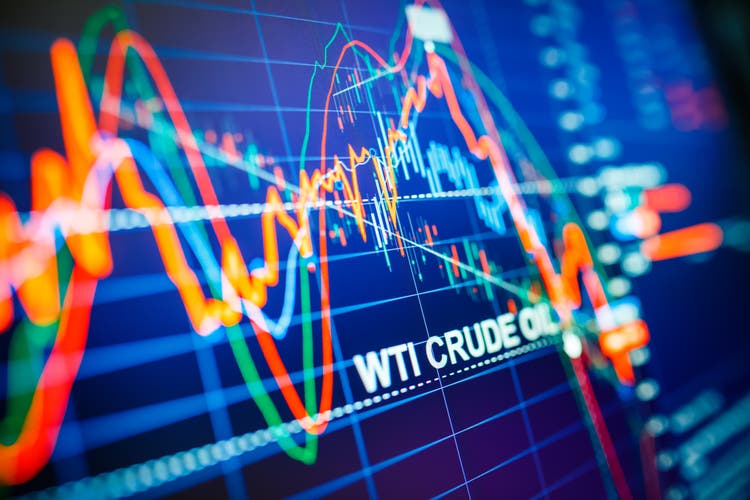
Crude oil is up over 1.5% in early trading, with Brent futures breaking above $92 per barrel and WTI climbing toward $89. The move isn’t just speculative—physical market indicators support the uptick.
Refinery demand remains strong, particularly in the U.S. and Asia. At the same time, OPEC+ has maintained production cuts, and non-OPEC supply growth is slowing. Now, with the prospect of Iranian barrels staying off the market, the balance tilts further toward deficit.
Consider this: the International Energy Agency (IEA) recently revised its 2024 demand growth forecast upward by 100,000 barrels per day. Meanwhile, supply outside of OPEC is expected to grow by just 1.1 million bpd—well below pre-pandemic trends.
Each percentage point rise in oil prices typically adds about 0.02 percentage points to U.S. CPI inflation over the following 12 months. With core inflation still above 3%, another leg up in energy could delay the Fed’s pivot.
S&P 500 Futures Reflect Caution, Not Panic
Despite the drop, S&P 500 futures are only down about 0.3%. That’s a muted reaction by historical standards—and it tells us something important: traders are wary, not alarmed.
The resilience stems from several factors: - Strong Q1 earnings from mega-cap tech, which continues to anchor the index. - Cooling labor market data, which reinforces expectations of eventual rate cuts. - A belief that Iran tensions, while serious, are unlikely to erupt into open conflict.
But don’t mistake calm for confidence. Open interest in put options on the SPX has increased over the past week, and the Cboe Volatility Index (VIX) is creeping higher. These are signs that hedging is rising, even if outright selling isn’t.
Moreover, small- and mid-cap equities are underperforming. The Russell 2000 is down 0.7% in premarket action, suggesting that risk appetite is narrowing to large, globally diversified firms that can better absorb cost pressures.
Sector-by-Sector Impact: Winners and Losers
When oil rises and uncertainty grows, not all sectors react the same. Here’s how key segments of the S&P 500 are positioned:
#### Energy - Beneficiary: Higher oil prices directly boost revenues for integrated oil majors and exploration firms. - Example: ExxonMobil and Chevron typically see EPS upside when crude averages above $85. - Caveat: Political risk. A major supply disruption could trigger a global recession—bad for long-term demand.
#### Consumer Discretionary - At risk: Higher fuel and transportation costs eat into disposable income. - Weak link: Auto sales, travel, and big-ticket retail spending often soften when gas prices spike. - Real-world impact: A 2022 study by the University of Michigan found that each $10 rise in oil prices correlates with a 1.2-point drop in consumer sentiment.
#### Industrials and Materials - Mixed: Commodity producers gain from higher input prices, but transport and logistics firms face margin pressure. - Watch: Airlines. Fuel is their second-largest expense. United and Delta could see pre-tax income squeezed if oil stays above $90.
#### Technology - Resilient, but not immune: Big Tech has pricing power and low energy intensity. However, rising rates (driven by inflation) hurt growth stock valuations. - Wildcard: Cloud infrastructure costs. Data centers consume vast amounts of power—rising electricity prices could bite into margins over time.
Fed Watch: How Geopolitics Could Delay Rate Cuts
The Federal Reserve is laser-focused on inflation. And while core CPI has trended lower, energy remains a wildcard.
If oil averages $95 over the next three months, it could add 0.3% to headline inflation—enough to give the Fed pause. That’s critical because markets are pricing in two rate cuts by year-end.
But those cuts assume no major supply shocks. A prolonged Iran standoff—or worse, a military incident in the Strait of Hormuz—could change the script.
Recall 2018: after oil surged past $75, the Fed accelerated its hiking cycle, citing “upside risks” to inflation. The S&P 500 peaked that September and entered a bear market by December.
Today’s Fed is more data-dependent, but the playbook hasn’t changed. Higher energy prices = tighter financial conditions = slower rate cuts—or even hold decisions.
Global Markets React Differently
While U.S. futures dip modestly, international markets show varied responses.
- European equities: The STOXX 600 is flat. European economies are more energy-sensitive, but diversified supply sources (Norway, LNG imports) provide some insulation.
- Asian markets: Japan’s Nikkei is down 0.4%. Japan imports nearly all its oil, so rising prices are a direct drag on trade balance and corporate profits.
- Emerging markets: Mixed. Oil exporters like Saudi Arabia and Nigeria benefit. Importers like India and Turkey face currency and current account pressure.

The divergence underscores a key point: geopolitical shocks don’t impact markets uniformly. Exposure to energy trade, fiscal flexibility, and central bank credibility all determine the fallout.
What Traders Are Watching Next
Markets are in a wait-and-see mode. Key levels and events to monitor:
- Oil: A break above $93 for Brent could trigger short-term profit-taking. Sustained move past $95 raises red flags.
- S&P 500 futures: Support at 5,180. A close below could open path to 5,150.
- U.S. economic data: This week brings retail sales and producer price index (PPI). Hot inflation prints could amplify today’s risk-off tone.
- Diplomatic signals: Any hint of renewed talks between Iran and Western powers could ease tensions quickly.
Smart traders are not betting on catastrophe. Instead, they’re adjusting positioning—reducing exposure to rate-sensitive sectors, adding energy hedges, and keeping dry powder for volatility spikes.
Positioning for Volatility, Not Prediction
The biggest mistake investors make during geopolitical flare-ups is overreacting. They sell first, ask questions later.
- A better approach:
- Assess exposure: Does your portfolio have concentrated risk in consumer cyclicals or small caps?
- Review hedges: Are you over-reliant on rate cuts? Consider adding defensive sectors (utilities, healthcare).
- Set triggers: Decide in advance what would change your outlook—e.g., oil above $95, VIX above 18, or actual supply disruption.
- Stay liquid: Avoid overcommitting. Uncertainty creates opportunity, but only if you have capital to deploy.
For long-term investors, today’s dip is noise unless it triggers broader macro shifts. But for active traders, the window for tactical moves—especially in energy vs. consumer plays—is opening.
Markets are pricing in caution, not crisis. That balance could hold—if diplomacy finds a second wind. Until then, expect S&P 500 futures to remain range-bound, with oil as the wildcard.
Stay alert. Position wisely. And remember: in markets, timing isn’t everything—but context is.
FAQ
Why are S&P 500 futures down today? S&P 500 futures are edging lower due to stalled Iran peace talks, which are driving up oil prices and renewing inflation concerns that could delay Federal Reserve rate cuts.
How do Iran peace talks affect U.S. stock markets? If talks fail, Iranian oil remains off the market, tightening global supply. Higher oil prices can increase inflation, reduce consumer spending, and push the Fed to maintain higher rates—pressuring equities.
Is rising oil good or bad for the S&P 500? It’s mixed. Energy sector stocks benefit, but higher oil costs hurt consumers and many industries. Net effect is often negative for the broader index, especially if prices spike rapidly.
Could Middle East tensions cause a market crash? Not necessarily. Markets can absorb isolated events. But sustained conflict disrupting oil flows—especially through the Strait of Hormuz—could trigger broader economic and market turmoil.
Are rate cuts still coming from the Fed? Markets expect rate cuts later this year, but rising oil and inflation could delay them. The Fed will watch CPI and PPI closely for signs of persistent price pressure.
What sectors gain when oil prices rise? Energy companies, particularly integrated oil majors and exploration firms, typically see improved profitability when crude prices increase.
How can investors hedge against geopolitical risk? Diversify into defensive sectors (utilities, healthcare), use options for downside protection, and consider exposure to assets that benefit from volatility, like gold or volatility ETFs.
FAQ
What should you look for in S&P 500 Futures Dip as Iran Talks Stall and Oil Jumps? Focus on relevance, practical value, and how well the solution matches real user intent.
Is S&P 500 Futures Dip as Iran Talks Stall and Oil Jumps suitable for beginners? That depends on the workflow, but a clear step-by-step approach usually makes it easier to start.
How do you compare options around S&P 500 Futures Dip as Iran Talks Stall and Oil Jumps? Compare features, trust signals, limitations, pricing, and ease of implementation.
What mistakes should you avoid? Avoid generic choices, weak validation, and decisions based only on marketing claims.
What is the next best step? Shortlist the most relevant options, validate them quickly, and refine from real-world results.