Tehran’s reported overture to Washington—offering a de-escalation framework for the Strait of Hormuz—has sent quiet ripples through global energy and defense corridors. This isn’t just another backchannel rumor. The proposal, if confirmed, marks one of the most significant diplomatic openings between Iran and the U.S. in over a decade, coming amid rising regional volatility and fragile oil market equilibrium.
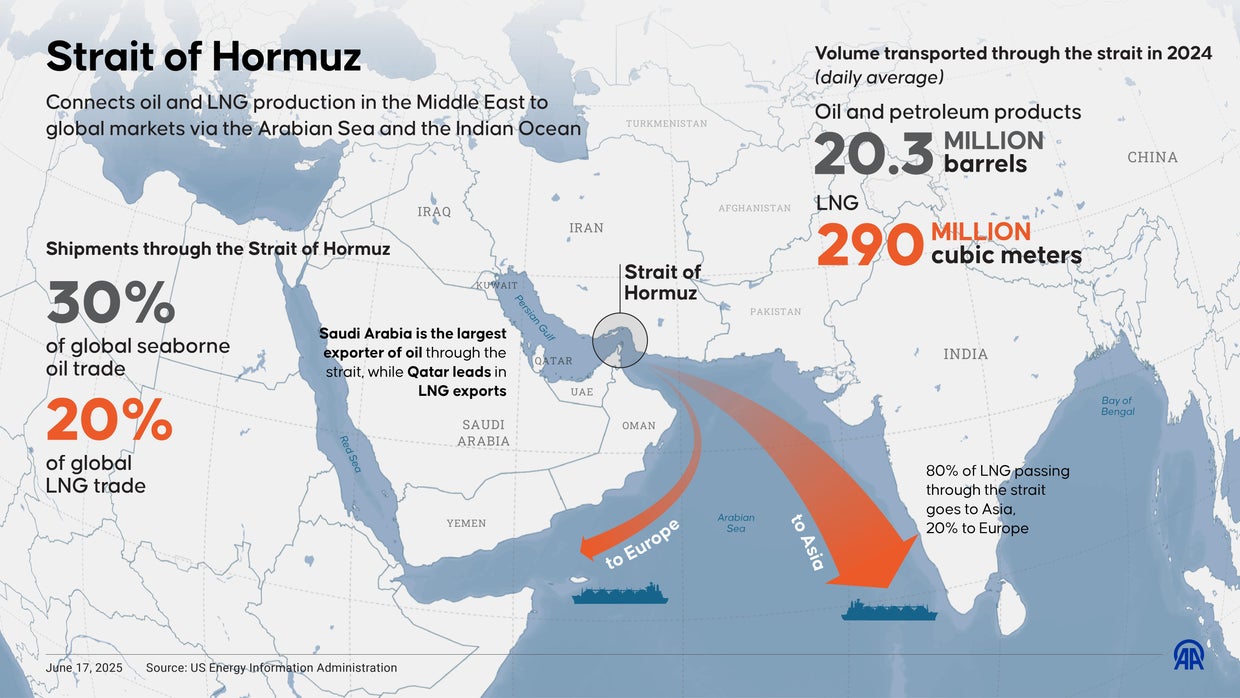
The Strait of Hormuz, a 21-mile-wide waterway separating Iran from Oman, handles about 20% of the world’s traded oil. Any disruption here doesn’t just affect Gulf producers—it reverberates in fuel pumps from Shanghai to Savannah. So when Iran suggests a mutual non-aggression or joint monitoring pact, the world listens.
But credibility is thin. Decades of mistrust, sanctions, and shadow warfare complicate every word. Is this a genuine bid for stability, or a calibrated pressure play ahead of U.S. elections and OPEC+ decisions?
Let’s unpack where things stand—and what comes next.
What the Proposal Reportedly Includes
According to intelligence leaks and diplomatic sources cited by regional media, Iran’s offer centers on three pillars:
- Mutual non-interference in maritime operations
- Iran would pledge not to harass or seize commercial vessels linked to the U.S. or its allies, provided the U.S. Fifth Fleet stops shadowing Iranian ships and ends what Tehran calls “provocative maneuvers.”
- Establishment of a deconfliction hotline
- A direct naval communication line between U.S. Central Command and Iran’s Revolutionary Guard Navy to prevent accidental clashes—similar to U.S.-Russia channels in Syria.
- Third-party monitoring of shipping lanes
- Involvement of neutral actors—possibly Oman or the International Maritime Organization—in overseeing vessel movements, reducing reliance on unilateral military presence.
There is no public document, no signed memorandum. What exists are signals: backchannel messages, state media hints, and veiled statements from Iranian officials. For example, IRGC Admiral Alireza Tangsiri recently said, “If America respects red lines, the Strait can be secure for all.” Analysts at the Gulf States Analytics firm interpret this as a soft signal of readiness to formalize informal norms.
Still, skepticism runs deep. In 2019, Iran seized a British tanker in retaliation for Gibraltar impounding an Iranian oil vessel. In 2021, it allegedly attacked an Israeli-linked merchant ship. Each incident was followed by denials—and more militarization.
Why Now? Drivers Behind Iran’s Move
Timing matters. Several factors suggest Iran isn’t acting randomly.
Economic Pressure Is Mounting
Despite oil exports creeping up—estimated at 1.4 million barrels per day (bpd) in mid-2024, largely to China—Iran’s economy remains strained. Inflation hovers near 50%, and public unrest over water shortages and unemployment has flared in central provinces. A stable Strait means fewer excuses for secondary sanctions on shipping and insurance firms, potentially easing trade logistics.
Regional Dynamics Are Shifting
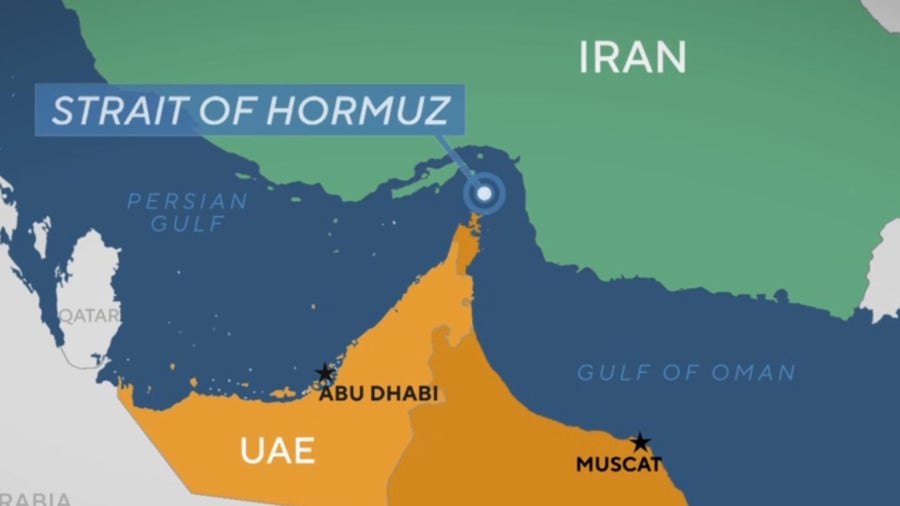
With Saudi Arabia and the UAE seeking détente (Abu Dhabi recently reopened its embassy in Tehran), Iran may feel it can afford to de-escalate with the U.S. without losing regional credibility. Oman, a long-time mediator, has quietly hosted multiple rounds of indirect U.S.-Iran talks. Muscat sees stability in Hormuz as existential—its Duqm port relies on the same shipping lanes.
U.S. Political Window Is Narrow
The Biden administration faces a ticking clock. With the 2024 U.S. election looming, any major foreign policy win—especially one avoiding war—carries domestic value. Conversely, a miscalculation could ignite backlash. Iran may be testing whether America will engage before November.
U.S. Response: Cautious but Not Closed Off
Washington hasn’t confirmed direct talks but isn’t dismissing the idea.
A senior State Department official, speaking anonymously, told Reuters: “We’re aware of the signals. We’re assessing them through our regional partners.” Meanwhile, CENTCOM has reduced high-profile naval exercises near the Strait—a subtle signal of reduced readiness posturing.
Still, key obstacles remain:
- The U.S. insists any deal must include curbs on Iran’s nuclear program—something Tehran refuses to link.
- Hardliners in Tehran, especially within the IRGC, oppose any formal engagement with the U.S., seeing it as ideological surrender.
- Israel, a vocal opponent of rapprochement, has warned the Biden administration against “appeasement.”
The U.S. approach appears to be “talk while you’re ready to fight.” The aircraft carrier USS Abraham Lincoln remains deployed in the Arabian Sea, and maritime surveillance flights continue daily.
Market Reactions: Calm for Now, But Nervous Beneath
Financial markets have absorbed the news with muted reaction—so far.
Oil prices (Brent crude) dipped slightly on the reports, from $87 to $84.50 per barrel, reflecting reduced near-term risk premium. But volatility indices on oil futures (like the OVX) remain elevated, suggesting traders aren’t fully convinced.
Key Market Watch Points
| Indicator | Current Status | Why It Matters |
|---|---|---|
| Brent Crude Price | ~$85/bbl | Below 2024 highs; indicates tempered risk outlook |
| Freight Rates (VLCC) | Stable | No spike in tanker insurance or war risk premiums |
| Gulf Equity Markets | Mixed | Dubai index flat; Riyadh up on Saudi Aramco dividend |
| Dollar-Iranian Rial | 590,000 | Black-market rate shows no economic optimism yet |
Shipping firms are proceeding with caution. Maersk and MSC continue routing most vessels through the southern lane of the Strait, monitored by Oman, and have not adjusted war risk surcharges.
But energy analysts at Rystad Energy warn: “A single incident—a drone strike, a seized tanker—could trigger a 15% price spike within hours. The market is balanced on trust, not enforcement.”
Historical Precedents: Lessons from Past Standoffs
This isn’t the first time the Strait became a diplomatic bargaining chip.
2011–2012: The “Oil Weapon” Threat
As Western sanctions tightened, Iran’s then-President Mahmoud Ahmadinejad threatened to “close the Strait.” The U.S. responded with a massive naval show of force. Oil spiked to $120. In the end, no closure occurred—just heightened patrols and increased insurance rates.
2019: Tanker War Escalation
Five tankers were attacked in Gulf waters. The U.S. blamed Iran; Tehran denied involvement. The UK and U.S. formed the International Maritime Security Construct (IMSC), now with 8 member nations patrolling the region. Iran responded by capturing vessels under dubious legal pretexts.
Pattern? Each crisis ends in tacit understanding, not war—but trust erodes further.
Today’s proposal could break the cycle—if it includes verifiable mechanisms. Past failures stem from ambiguity. This time, third-party monitoring and communication protocols offer more than symbolism.
What’s Next: Three Possible Scenarios
The coming weeks will likely unfold along one of three paths.
1. Limited Understanding (40% probability)
Quiet agreements prevent direct confrontations. No formal treaty, but reduced shadowing, fewer close passes, and backchannel crisis management. Oil prices stabilize near $80–85. This is the most likely outcome—enough to satisfy both sides’ immediate needs without political cost.
2. Formal Deal
with Conditions (30% probability)
The U.S. and Iran agree on naval conduct, with Oman overseeing monitoring. In return, the U.S. eases some shipping-related sanctions. Iran halts attacks on commercial vessels. But nuclear talks remain frozen. Markets rally; Brent drops to $78.
3. Collapse and Escalation (30% probability)
A maritime incident—real or staged—derails talks. The IRGC seizes a U.S.-linked vessel. Washington imposes new sanctions. Iran enriches uranium to 90%. Oil jumps above $100. This scenario gains traction if U.S. domestic politics demand a “tough” response or if Israel conducts preemptive strikes on Iranian nuclear sites.
Implications for Global Energy and Investors For energy importers, especially in Asia, any reduction in Hormuz risk is positive. India and South Korea rely on Gulf oil and have pushed for de-escalation.
For investors:
- Oil majors with Gulf exposure (Exxon, TotalEnergies) may see lower operational risk premiums.
- Maritime insurers (Lloyd’s of London) could reduce war risk assessments, lowering shipping costs.
- Emerging market funds with Iranian assets (largely restricted) remain high-risk, but regional stability might encourage indirect plays via UAE or Turkish equities.
However, the structural flaw remains: Iran wants sanctions relief; the U.S. wants nuclear limits. Until those core issues are addressed, any Hormuz deal is tactical, not transformative.
Bottom Line: Watch Actions, Not Words
Diplomacy in the Persian Gulf advances in whispers, not declarations. Iran’s proposal may not lead to a signed accord, but it signals a desire to avoid war—even from hardline actors who benefit from tension.
For markets, the takeaway is simple: monitor naval activity, not press releases. A reduction in close encounters, no new seizures, and continued Omani mediation are better indicators than any statement from Tehran or Washington.
In the meantime, energy traders should keep contingency plans active. Diplomatic windows open fast—and close faster.
Stay alert. Stay hedged. And remember: in the Strait of Hormuz, peace is not the absence of conflict, but the management of risk.
FAQ
What should you look for in Iran Proposes Hormuz Strait Deal with U.S. – What It Means Now? Focus on relevance, practical value, and how well the solution matches real user intent.
Is Iran Proposes Hormuz Strait Deal
with U.S. – What
It Means Now suitable for beginners? That depends on the workflow, but a clear step-by-step approach usually makes it easier to start.
How do you compare options around Iran Proposes Hormuz Strait Deal with U.S. – What It Means Now? Compare features, trust signals, limitations, pricing, and ease of implementation.
What mistakes should you avoid? Avoid generic choices, weak validation, and decisions based only on marketing claims.
What is the next best step? Shortlist the most relevant options, validate them quickly, and refine from real-world results.